
Android SMS Flaw Can Drop Emergency Calls
A zero-click SMS flaw can crash Android’s phone process, drop emergency calls, and trigger reboot loops on unpatched devices.
What changed in the de-Googled Android world: OS releases, device support, privacy apps and platform moves — every story sourced, two a day.
New stories every morning at 7:30 New York and 7:30 California. Every news story links its sources — RSS feed.
A zero-click SMS flaw can crash Android’s phone process, drop emergency calls, and trigger reboot loops on unpatched devices.

Tor Browser 16 moves Android toward Jetpack Compose and Material Design 3 while shifting the stable browser to Firefox ESR 153.

Voyage 20261029 adds scheduled messages, swipe-to-edit, timeline fixes, and Android 13 crash repairs to the Matrix client.

Obtainium fits apps with verified stable GitHub APKs, while F-Droid or Play is preferable when shared releases could select the wrong app.

Signal 8.34 beta adds sticker replies, selective contact sharing, media-viewer gestures, and a refreshed emoji, sticker, and GIF keyboard.
Google Play will restrict broad contact access for Android apps, requiring bulk-management declarations and system tools for single edits.

LineageOS lists the Samsung Galaxy A53 5G on Android 17, with installation requiring Android 15 stock firmware and a full data wipe.

Google’s Registered App Stores program begins December 1 on Android 17 QPR2, with one-tap installs, automatic updates, and regional limits.

Encrypted providers protect stored mail, while IMAP gives you more app choice. Here is how to choose and move away from Gmail safely.

Microsoft fixed an Android Authenticator flaw that let a malicious app impersonate trusted software and obtain work-account tokens.

A practical guide to official degoogled OS support beyond Pixels, covering Fairphone, OnePlus, Xperia, Volla, Jolla, and Pine64 options.
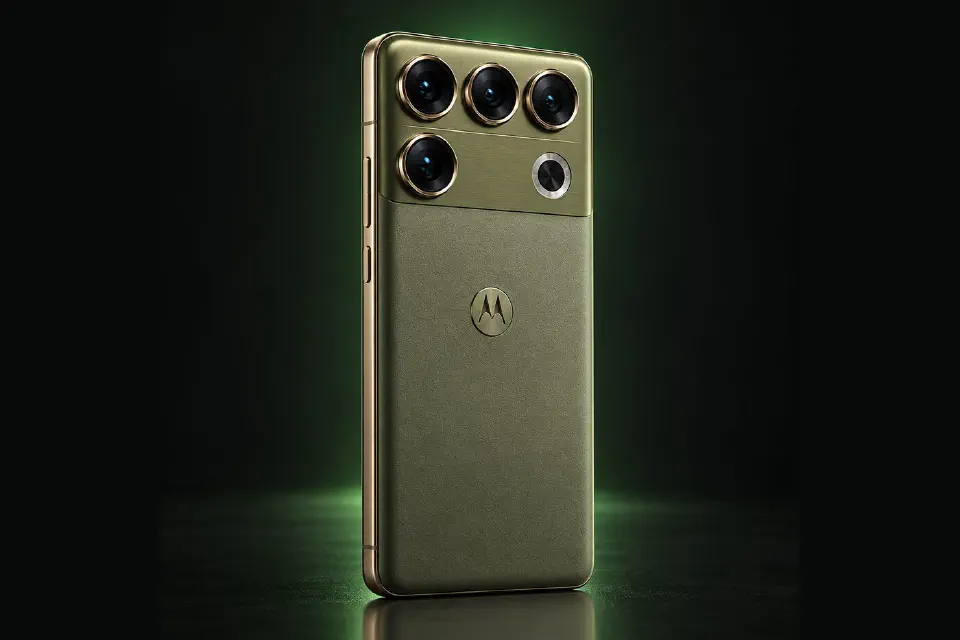
GrapheneOS confirmed the Motorola Signature 27 as its first supported phone outside Google's Pixels. What's official, what isn't yet, and whether to wait.
Six weeks of GrapheneOS releases: per-app clipboard blocking, call recording, a QPR1 stutter fix, and why Android 17 QPR1 never reached AOSP.

GrapheneOS has a partial Pixel 11 port but won't ship it: memory tagging (MTE) is switched off. What that means if you're buying a Pixel for GrapheneOS now.

Nura's September update and LINMOB's roundup point to working Fairphone 5 calls and camera progress on the edge channel.
Start with the phone in your hand, then choose between GrapheneOS, CalyxOS, /e/OS, iodéOS, or LineageOS by fit and effort.
LineageOS 24.0 moves to Android 17 and adds browser-based WebUSB flash tools, a new image editor and app updates. What owners should check first.

Google's October Android bulletin fixes 25 flaws; HKCERT rates phones below the 2026-10-01 patch level affected. GrapheneOS already ships the fix.
The easiest degoogled phone path in 2026: preinstalled privacy phones, Pixel + GrapheneOS, CalyxOS on a cheap Motorola, or hardened stock Android.
LineageOS keeps hundreds of phones alive on Android 16-era builds, and it inherited many DivestOS refugees. What Lineage is — and isn't — for privacy.

The whole Pixel 10 series is a GrapheneOS target, with hardware update promises stretching to 2032. What that means for buy-new vs. buy-used.
After its 2025 hiatus, CalyxOS relaunched on Android 16 with Pixel, Fairphone, SHIFT and — crucially — budget Motorola support. Here's who should care.
This news page follows the degoogled Android world: new releases of GrapheneOS, CalyxOS, LineageOS, /e/OS and iodéOS, phones gaining or losing support, monthly Android security patches, privacy app updates, and changes from Google or phone makers that affect people who run Android without Google.
Stories come in two kinds. A News story reports something that just happened and links its sources. An Explainer answers a practical question, such as which degoogled phone path is easiest, using our own device database and guides.
Every story passes automated checks before it’s published:
If a news story fails these checks, the slot is filled with an explainer built from our own research instead, or it’s skipped for the day. We would rather publish nothing than publish something we can’t source.
Two stories are published each day: one at 7:30 in the morning New York time, and one at 7:30 in the morning California time. To follow along without visiting, subscribe in your feed reader. The feed carries each story with its summary and a link back to the full text.
Older stories stay on the site, so the archive also works as a record of when each operating system gained or dropped support for a phone, and when each security patch arrived.
News is easier to act on with some background. To see whether your own model is affected by a support change, look up any phone model. For the long-form, step-by-step pieces that don’t go out of date with each release, browse our degoogling how-tos. And if a story makes you wonder which operating system to pick, compare the five Android-based systems question by question.